
IPTV vs Cable TV: Full Comparison (Costs, Features & Pros/Cons)
Compare IPTV vs cable TV in terms of cost, features, flexibility, and performance to choose the best option.

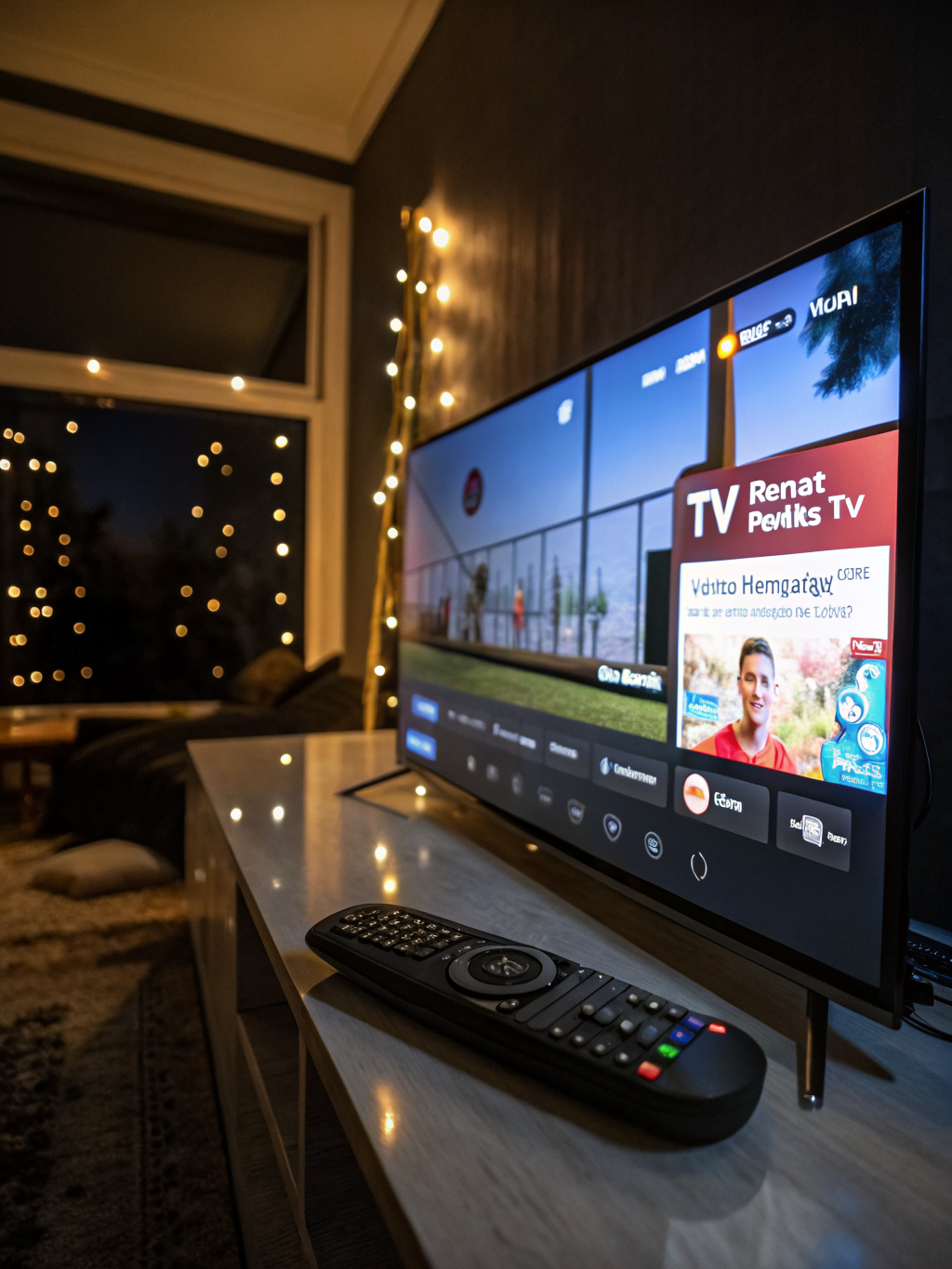
Are you tired of scrolling through hundreds of channels only to find nothing you actually want to watch? Do you dread that are cutting the cord, but the real question is: what are they switching to? The modern entertainment battleground isn’t about which network has the best href=”https://eliteiptv4kus.com/” target=”_blank”>IPTV vs cable TV**. This isn’t just a niche tech trend; it’s a revolution in how we consume media, and it can save you a staggering amount of money.
The choice between IPTV and traditional cable is more than just a financial viewing experience. Let’s break down the real cost of your loyalty to that cable box and see why so many are making the switch forh2>
Before we dive into the nitty-gritty, let’s quickly define our competitors.
Understanding Cable TV
or digital signals via coaxial or fiber-optic cables running directly to your home. This signal is decoded by a set-top box you rent from the company. It’s a rigid, location-locked system with predefined channel bundles. You get what they misunderstood. It’s not just watching Netflix. True IPTV delivers live television channels and on-demand content over the internet. Instead of a coaxial cable, it uses your broadband connection. This fundamental difference in delivery is what unlocks a world of advantages, from lower costs to incredible global access. It’s a more intelligent, software-driven approach to TV.
The Ultimate Showdown: IPTV vs Cable TV
This is where the rubber meets the road. We’ll compare these two titans across the categories that matter most to your wallet and your watch time.
Cost and Value (IPTV vs Cable TV): The Wallet War
Let’s talk numbers. Imagine paying $150, maybe even $200, every single month for cable. That’s not an exaggeration for many families, especially after introductory rates expire and broadcast fees creep up.
Now, consider this: a robust, premium IPTV vs traditional TV TV: High monthly cost ($80-$200+), equipment rental fees ($10-$20/month per box), hidden broadcast fees, annual contracts with price hikes.
- IPTV: Low monthly subscription ($10-$20), no equipment rental (use your existing devices), transparent pricing, often no long-term contract.
The value proposition isn’t even close. IPTV wins on cost, hands down.
Content and Channel Selection: A World of Difference
Cable packages are infamous for their bundling. You pay for 200 channels but only watch 15. With IPTV, the model is flipped. IPTV vs Cable TV
Premium ** access to tens of thousands of channels from across the globe. We’re not just talking about local news and sports. Want to watch a live football match from the UK, a telenovela from Mexico, or news from France? It’s all there. This global access is a game-changer for expats, multilingual households, and curious viewers.
- Cable TV: Limited to regional and national channels. Premium content (HBO, Showtime) costs extra. International options are scarce and expensive.
- IPTV: Massive global Compatibility: Watch Anywhere, AnytimeThis is arguably IPTV’s greatest strength. Your cable box is chained to your living room TV. IPTV is freedom.
With any device with an internet connection. Going on a trip? Take your TV with you. Commuting on the train? Catch up on the morning news. This multi-screen flexibility is something cable simply cannot offer without complex and expensive add-ons. IPTV vs Cable TV
<img src=”https://eliteiptv4kus.com/wp-content/uploads/2026/03/IPTV-vs-cable-TV-german-iptv.webp”/3>
Cable TV has a reputation for reliability because it’s on a dedicated line. However, its picture quality is often capped at 1080p or 4K only on specific channels, and it’s susceptible to weather-related outages.

IPTV’s quality is directly tied to your internet speed. With a stable, high-speed connection (we recommend at least 25 Mbps for households), you can consistently stream in stunning HD, Full HD, IPTV vs Cable TV, and even 4K resolution. Modern IPTV providers have massively improved server stability, offering 99.9% uptime. The old fear of “buffering” is largely a thing of the past with a quality provider.
Weighing the Pros and Cons: A Quick Guide
The Advantages of IPTV Over Cable
* **Dramatically Lower Cost:** Save hundreds of dollars a year.
* **Global Content Access:** A world of channels at your fingertips.
* **Ultimate Flexibility:** Watch on any device, anywhere.
* **Superior Video on Demand (VOD):** Huge libraries of movies and TV series included.
* **No Contracts:** Freedom to change providers or cancel anytime.
The Advantages of Cable TV
* **Perceived Reliability:** A dedicated line can feel more stable (though this gap is closing).
* **Local Channel Guarantee:** Easy access to veryals:** Sometimes internet + cable can be a negotiated).
Making the Switch: Is IPTV Right for You?
The ideal candidate for IPTV is someone with a decent internet connection who is frustrated with their cable bill and hungry for more content choice. It’s perfect for cord-cutters, sports fanatics who don’t want to pay for pricey league packages, expats, and tech-savvy families.
The only real requirement is a reliable internet connection. If you can stream Netflix without issue, you can enjoy a seamless IPTV experience. IPTV vs Cable TV
Conclusion: The Future of Television is Herea>** is effectively over for the forward-thinking consumer. Cable television, with its bloated packages, exorbitant fees, and restrictive contracts, is a relic of the past. IPTV represents the future: affordable, flexible, and incredibly powerful.
It’s not just about saving money (though that’s a huge part of it!). It’s about upgrading your entire entertainment experience to fit your modern, on-the-go lifestyle.
Ready to stop on your terms? The switch is easier than you think. Click here to explore premium IPTV packages and discover a world of entertainment for a fraction of the cost. Your favorite shows are waiting, and your wallet will thank you.