
IPTV vs Cable TV: Full Comparison (Costs, Features & Pros/Cons)
IPTV vs cable TV — which is better in 2026? Compare pricing, channels, quality, reliability, and pros & cons before choosing your TV service.

For instance, use H2 for "Cost Analysis" and H3 for "Monthly Subscription Fees".
- Use markdown for formatting: headings, bold, italics, bullet points, etc.
- Insert the required hyperlinks with EXACT target URLs and anchor text as specified in the guidelines. Do NOT add any other links.
- Avoid fluff. Every paragraph must add value.
- Use a persuasive, expert tone designed to convert.
- End with a compelling CTA with specified internal links.
- Do not use code blocks or triple backticks. Write the article in pure markdown format.
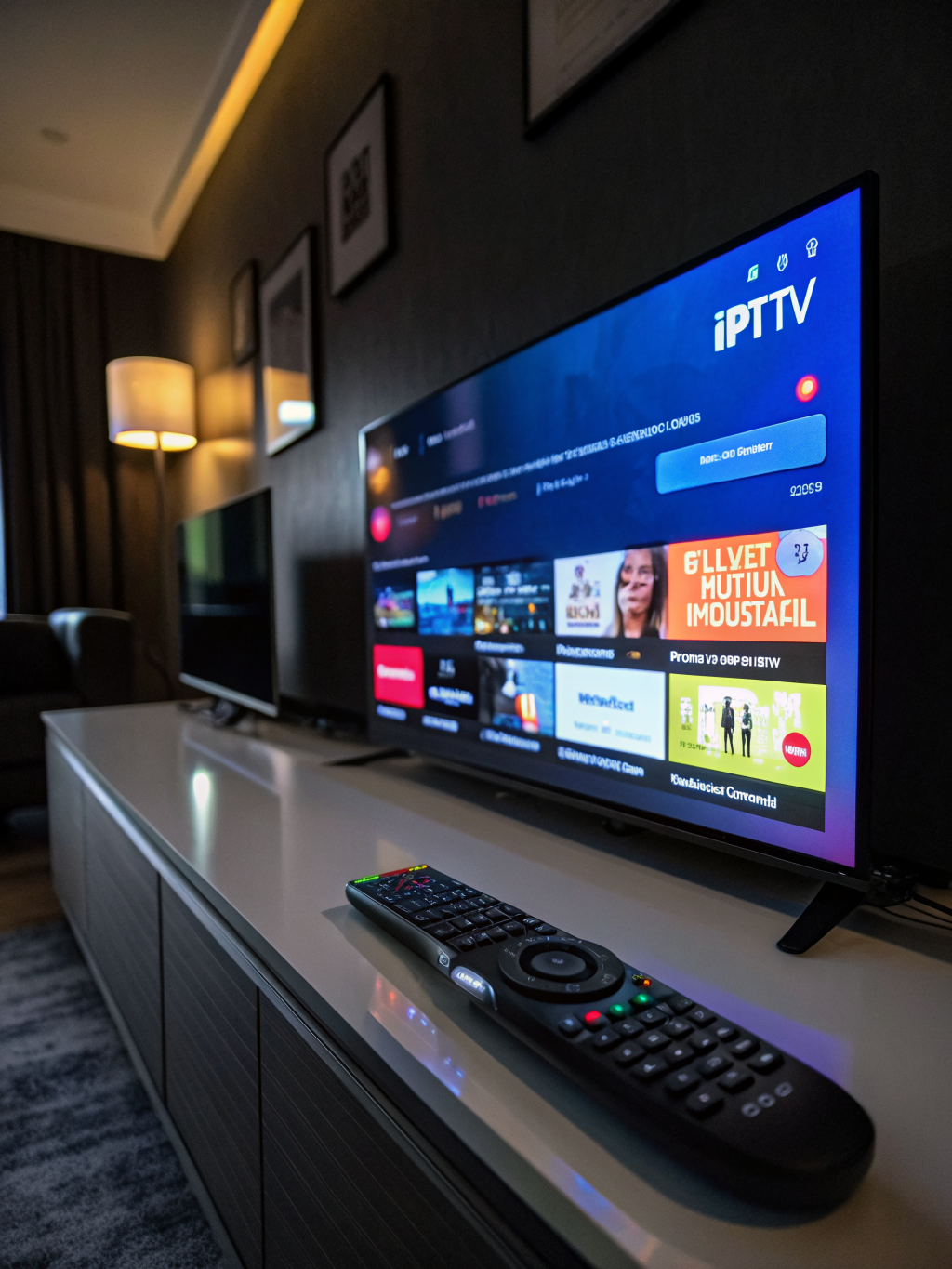
IPTV vs Cable TV: Full Comparison (Costs, Features & Pros/Cons)
Are you still writing a check to a giant cable corporation every month? Imagine paying $150 or more for a package filled with channels you never watch, all while being locked into a two-year contract. It’s a frustrating reality for millions. But what if you could slash that bill by 80% and gain unparalleled flexibility? The battle for your living room is heating up, and the central question is IPTV vs cable. This isn't just about saving money; it's about a fundamental shift in how we consume entertainment. Let's break down the costs, features, and pros and cons to help you cut the cord for good.
What Exactly Are We Comparing?
Before we dive into the data, let's define our players.
Cable TV is the traditional method. A provider runs physical coaxial or fiber-optic cables to your home, delivering a predetermined bundle of channels. You typically rent a set-top box, are subject to regional monopolies, and face notoriously frustrating customer service.
Internet Protocol Television (IPTV) delivers television content over your internet connection. Instead of a dedicated cable line, shows and movies are streamed as data packets. This isn't just Netflix or Hulu; premium IPTV services offer live TV, video-on-demand (VOD), and pay-per-view events, directly mimicking and vastly improving upon the cable experience.
The Ultimate Cost Analysis: IPTV vs Cable TV
This is where the difference becomes starkly obvious. Let's talk real numbers.
The True Cost of Cable Subscription
A 2023 study by Leichtman Research Group found the average monthly cable TV bill is now $116. But that's just the promotional rate. The real pain begins after the first 12 months.
- Monthly Subscription: Starts around $70-$90 for a basic package, but quickly balloons.
- Broadcast TV Fee: A sneaky $15-$25 monthly charge disguised as a "fee," not a rate.
- HD Technology Fee: Yes, you often pay extra ($10-$15/month) to rent a box that gives you HD in 2024.
- Regional Sports Fee: Can add another $8-$15 per month.
- DVR Service: Want to record shows? That’s another $10-$20.
- Contract Early Termination Fee: Often a brutal $20 for every remaining month, trapping you in bad service.
You can easily see a final bill of $150-$200/month for a family that wants a solid channel lineup and DVR.
The Transparent Pricing of IPTV
IPTV services operate on a leaner, direct-to-consumer model. There are no infrastructure maintenance fees or box rentals.
- Monthly Subscription: Premium services like ours typically range from $10 to $20 per month.
- No Hidden Fees: Zero. Broadcast fees, HD fees, and sports surcharges don't exist.
- No Equipment Rental: You use your existing device (Smart TV, Amazon Fire Stick, Android Box, etc.).
- No Contracts: Month-to-month subscriptions mean you are never locked in.
The Verdict: The IPTV vs cable cost debate isn't even a contest. IPTV wins, saving the average household over $1,500 a year.
Features & Flexibility: The Modern Viewer Demands More
Cost is the initial draw, but features are what make people stay. This is where IPTV doesn't just compete; it completely reinvents the game.
Content and Channel Lineup
- Cable TV: You get a regional bundle. Want international channels? That's a premium "world" package. The selection is rigid and often missing niche interests.
- IPTV: Get access to tens of thousands of channels from every corner of the globe. This includes premium sports packages, international news, and niche entertainment channels that cable simply doesn't offer. The IPTV vs cable TV comparison for content variety is a landslide victory for IPTV.
Device Compatibility and Mobility
- Cable TV: You watch on your living room TV. That's it. Some providers offer apps, but they are often clunky and require you to be on your home Wi-Fi.
- IPTV: True TV Everywhere. Watch live sports on your phone during your commute, stream the news on your laptop at a café, or catch a movie on your tablet in bed. One subscription works on unlimited devices, anywhere with an internet connection.
Video Quality and Reliability
- Cable TV: Generally offers stable 1080p HD picture quality. 4K content is still rare and often costs extra. Service is reliable but can be affected by severe weather.
- IPTV: Top-tier services stream in full HD, 4K, and even 8K on supported channels and VOD content. Reliability is 99.9% on a stable internet connection. The old myth of IPTV being laggy is dead; with modern technology, the stream is often more stable than a satellite signal in a storm.
The Clear Pros and Cons
The Case for Cable TV
- Pro: Simplicity. It's a known entity. You turn on the TV, and it works without configuring apps or buffers.
- Pro: Local Channel Integration. Often seamlessly integrates with your guide for local news and broadcasting.
- Con: Prohibitively Expensive. The cost is simply not justifiable for most households today.
- Con: Inflexible Contracts. You are locked in for years with escalating prices.
- Con: Outdated Equipment. Renting clunky boxes feels archaic.
The Case for IPTV
- Pro: Extreme Cost-Effectiveness. Unbeatable value for the content provided.
- Pro: Unmatched Flexibility and Mobility. Watch what you want, where you want, on any screen.
- Pro: Vastly Superior Content Library. More channels, more on-demand content, more everything.
- Con: Internet Dependent. Requires a stable broadband connection (a minimum of 25 Mbps is recommended).
- Con: Requires Tech Savviness. You need to be comfortable setting up an app on a streaming device.
Is IPTV Right For You? Making the Smart Switch
If you have a reliable internet connection and are tired of the cable company's games, the answer is a resounding yes. The IPTV vs cable TV comparison shows that IPTV is the logical evolution of home entertainment. It’s designed for the modern, connected household that values choice, control, and financial sense.
Making the switch is easier than you think:
- Choose a Device: An Amazon Fire Stick (4K Max recommended) or an Android TV Box is all you need.
- Select a Provider: Choose a reputable service with a proven track record, transparent pricing, and excellent support.
- Install the App: Your provider will give you easy instructions to install their dedicated app.
- Enjoy: Log in, customize your favorites, and experience television freedom.
Conclusion: The Future of Television is Here
The evidence is overwhelming. When you stack up IPTV vs cable on cost, features, flexibility, and content, the traditional cable model crumbles. It's an outdated system being outpaced by innovative, internet-based technology. Why pay a premium for less convenience and more restrictions?
You have a choice. You can continue funding a bloated, inflexible system, or you can embrace the future of entertainment.
Ready to experience the difference for yourself?
We invite you to see why thousands are making the switch. Explore our premium IPTV packages starting at just $15/month with access to over 20,000 live channels and 60,000 VOD titles in stunning HD and 4K quality. No hidden fees, no contracts, just incredible television.